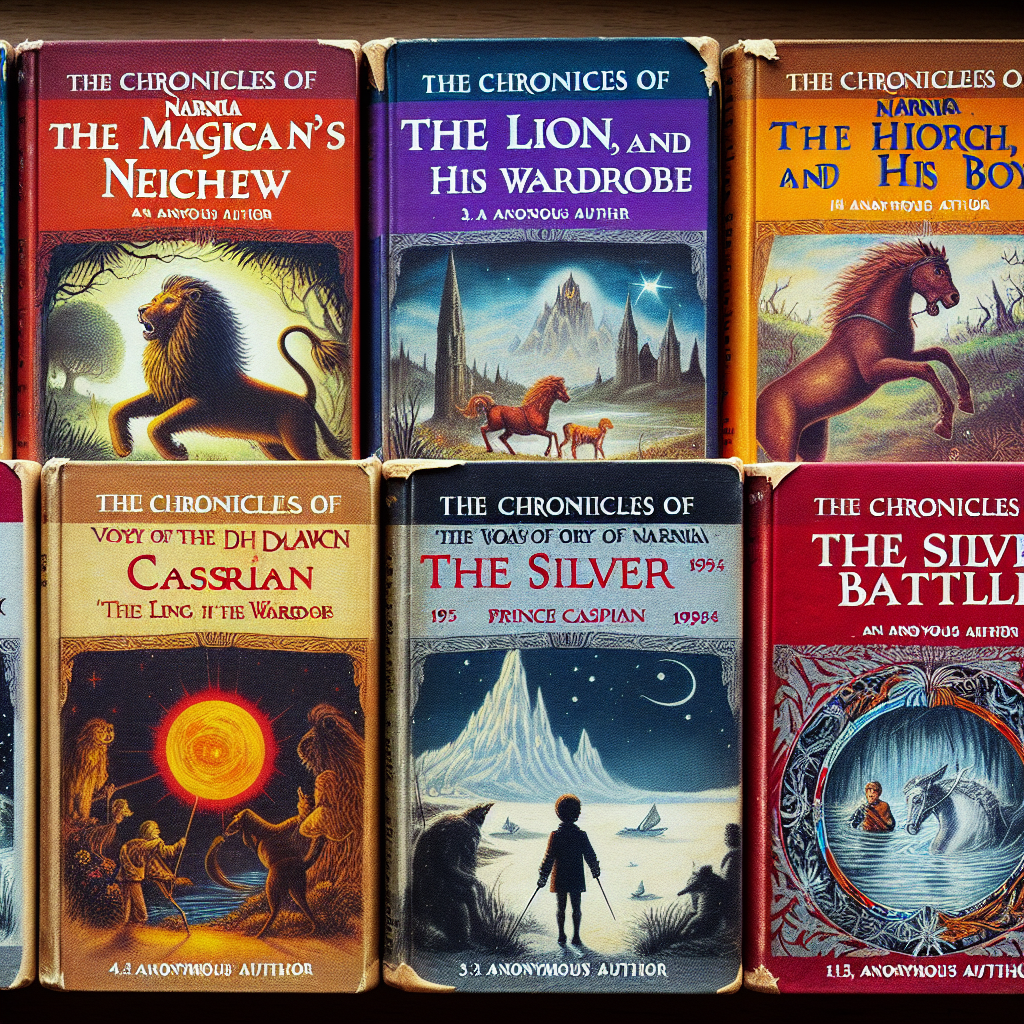


“The Chronicles of Narnia” is a classic series of seven books written by C.S. Lewis. First published between 1950 and 1956, the series blends elements of fantasy, adventure, and morality, becoming essential reading for children and young adults. The correct reading order is fundamental to fully appreciate the richness of the world of Narnia and understand the evolution of the characters and plots across the volumes.
C.S. Lewis, born in 1898 in Ireland and deceased in 1963, was a renowned writer, professor, and theologian. Best known for his work “The Chronicles of Narnia”, Lewis had a significant influence on fantasy literature. His background in literature and his studies in philosophy and theology are reflected in his stories, which often explore themes of ethics, morality, and faith, frequently taking an allegorical approach. In addition to Narnia, Lewis is also known for works such as “Mere Christianity” and “The Lord of the Rings”, the latter of which he had a strong friendship with J.R.R. Tolkien, another prominent figure in fantastic literature.
The series was published during a period that recognized the need for stories of escapism and blessings, following the devastation of World War II. Lewis’s work became a symbol of hope and imagination, addressing themes such as the struggle between good and evil, friendship, and sacrifice. The books explore the characters’ journeys and the lessons learned in a magical world full of fantastic creatures, captivating both young and adult readers.
Written by: C.S. Lewis (1955)
Summary: This book serves as an introduction to the world of Narnia, narrating the creation of the magical world through the story of Digory Kirke and his friend Polly Plummer. Together, they accidentally discover a passage to Narnia and encounter the figure of the Magician and the origin of evil in Narnia. It is a work that addresses themes of courage and responsibility.
Written by: C.S. Lewis (1950)
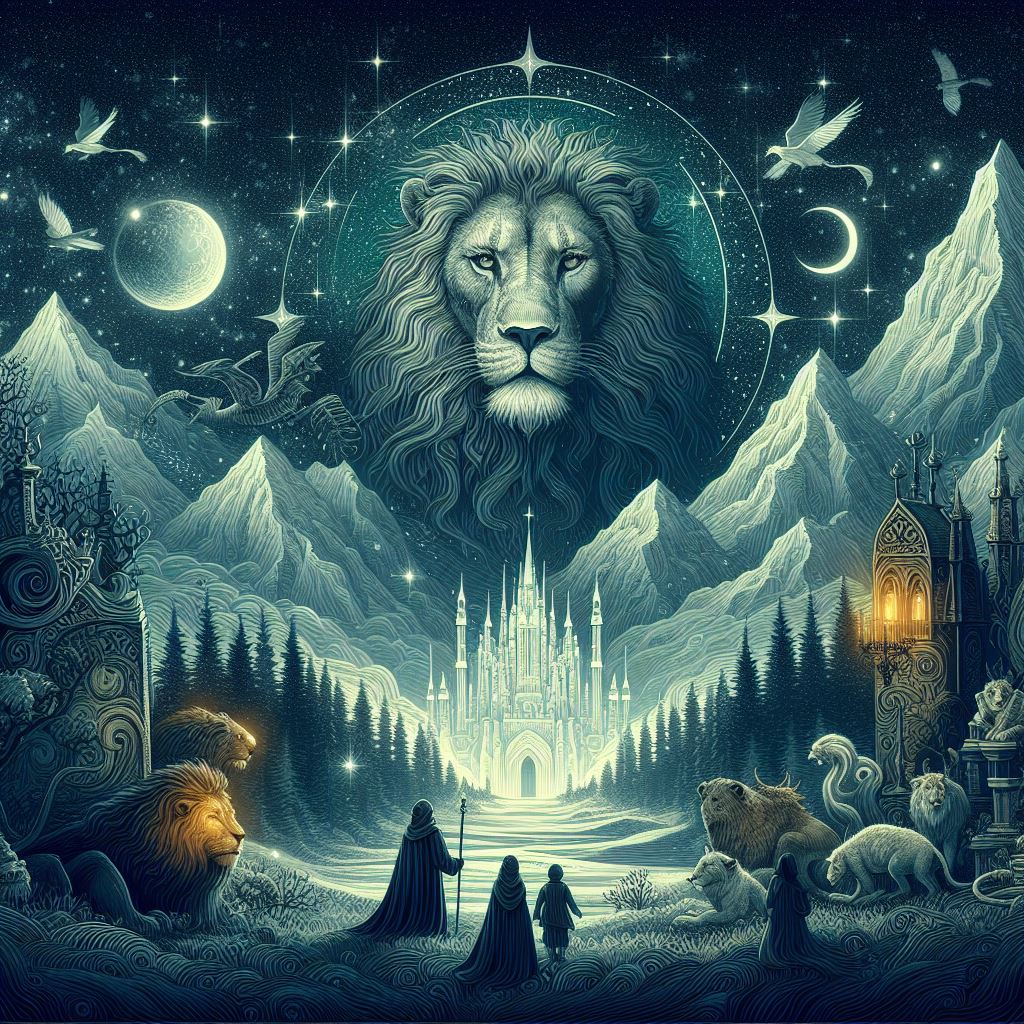
Summary: In this first published book, four siblings – Peter, Susan, Edmund, and Lucy – are sent to the countryside during World War II. Exploring a wardrobe, Lucy finds Narnia, where the siblings become involved in an epic battle against the White Witch. The work is rich in Christian symbolism, with the great lion Aslan representing Christ and the struggle between good and evil.
Written by: C.S. Lewis (1954)
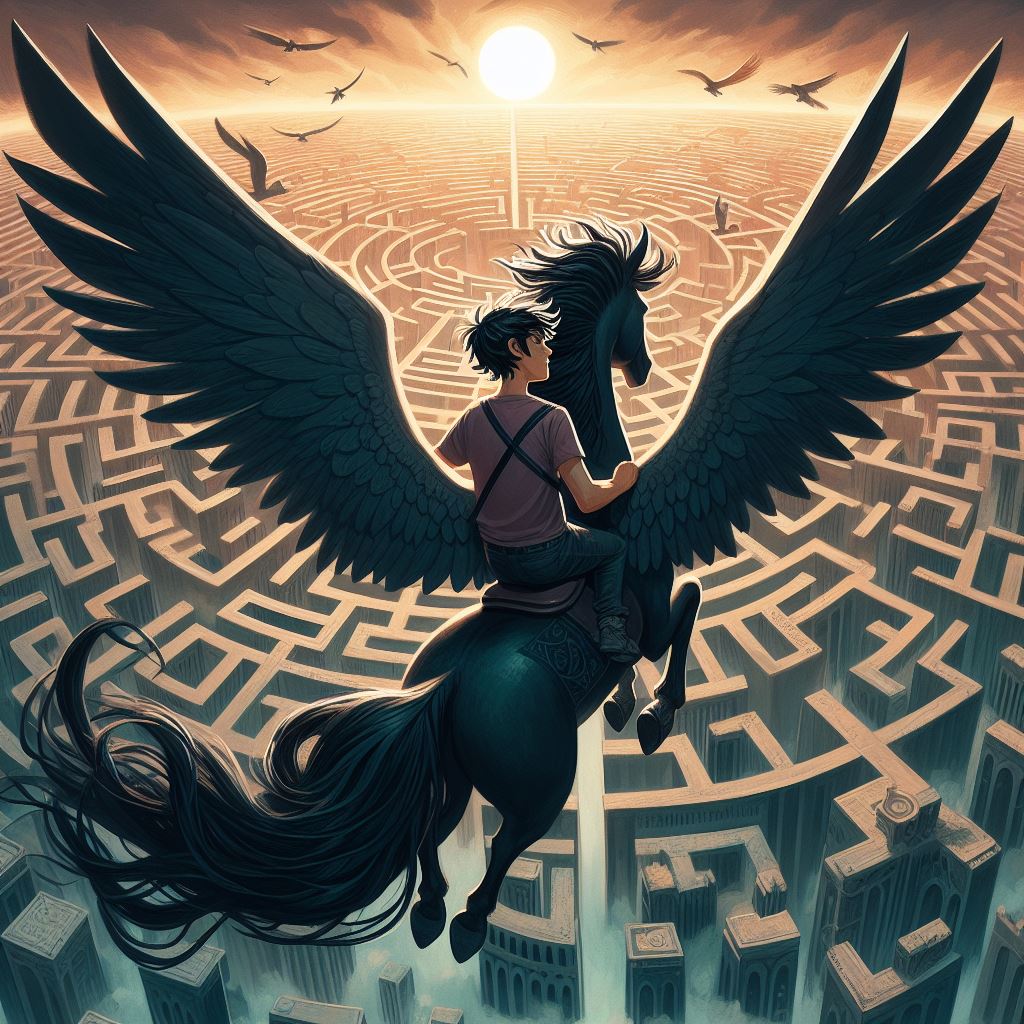
Summary: The story follows a talking horse named Bree and a boy named Shasta, who flee their lives as servants in Calormen. On their journey towards Narnia, they encounter adventures, friendships, and mysteries, exploring themes of identity and freedom.
Written by: C.S. Lewis (1951)
Summary: In this volume, the four siblings return to Narnia to help the young Prince Caspian. He struggles to reclaim his usurped throne from his uncle, King Miraz. The story addresses themes of reclamation, identity, and the fight for justice, as well as reuniting old allies and making new friends.
Written by: C.S. Lewis (1952)
Summary: Eustace Scrubb, a cousin of the Pevensie siblings, joins Caspian on a sea voyage in search of the seven lost lords of Narnia. This book explores themes of redemption and self-discovery, with a journey filled with encounters with fantastic creatures.
Written by: C.S. Lewis (1953)
Summary: Eustace and his friend Jill Pole are sent to Narnia to rescue the missing Prince Rilian, Caspian’s son. The story addresses the power of friendship and the struggle against betrayal, while also introducing new characters and challenges.
Written by: C.S. Lewis (1956)
Summary: In the conclusion of the series, Narnia faces its final battle against darkness and betrayal. This book addresses themes of apocalypse, faith, and hope, proposing a reflection on the ultimate fate of the characters and what the true Narnia represents.
The experience of reading “The Chronicles of Narnia” is considered magical and transformative, with each book building a world that inspires the imagination and reflection on profound life issues. Reading the series in the correct order allows readers to better understand the character development and the continuity of the narrative, appreciating each nuance and plot revelation.
We encourage readers to follow the proposed sequence for a complete and immersive experience. Additionally, the author also wrote supplementary books that, although not part of the main series, can further enrich the understanding of the Narnian universe, such as “The Companion to Narnia”, which compiles stories and reflections on the creation of these tales.

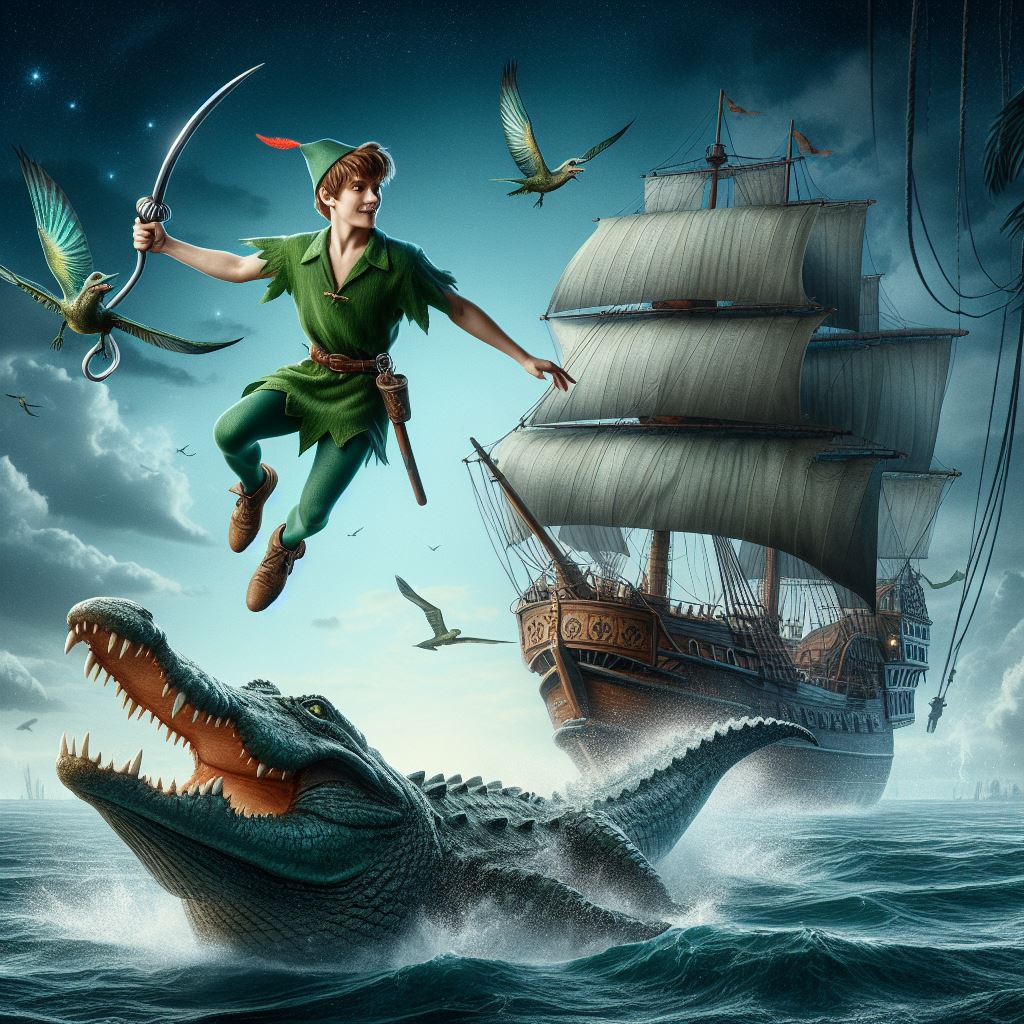
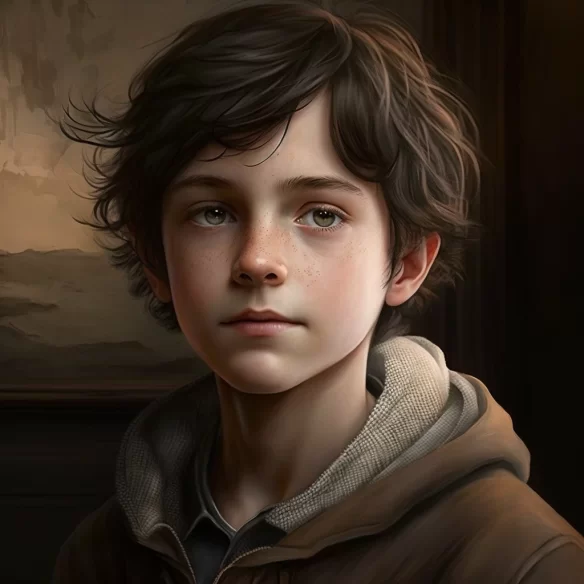
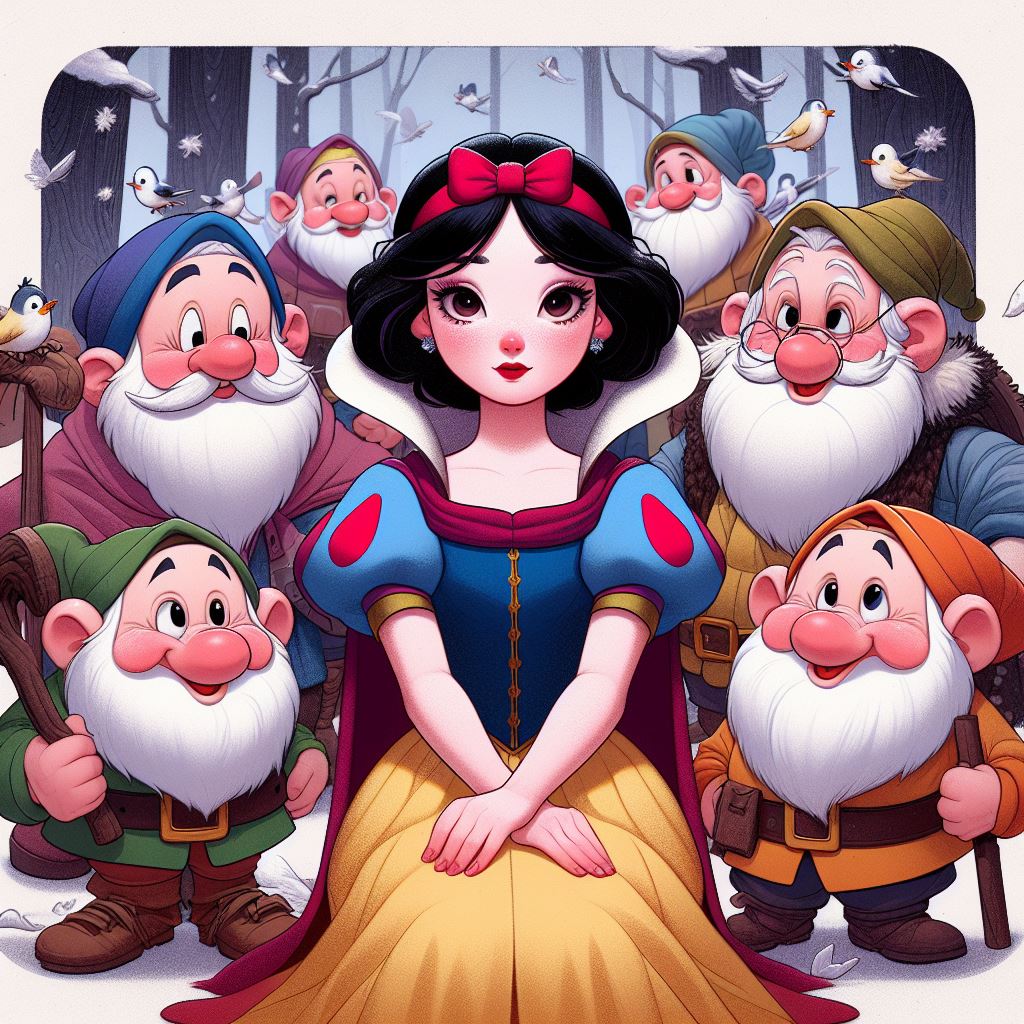
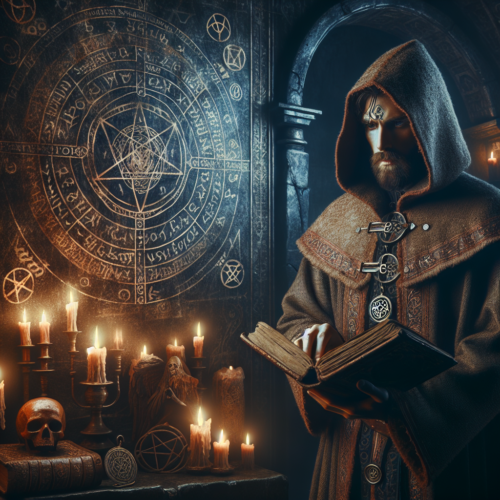
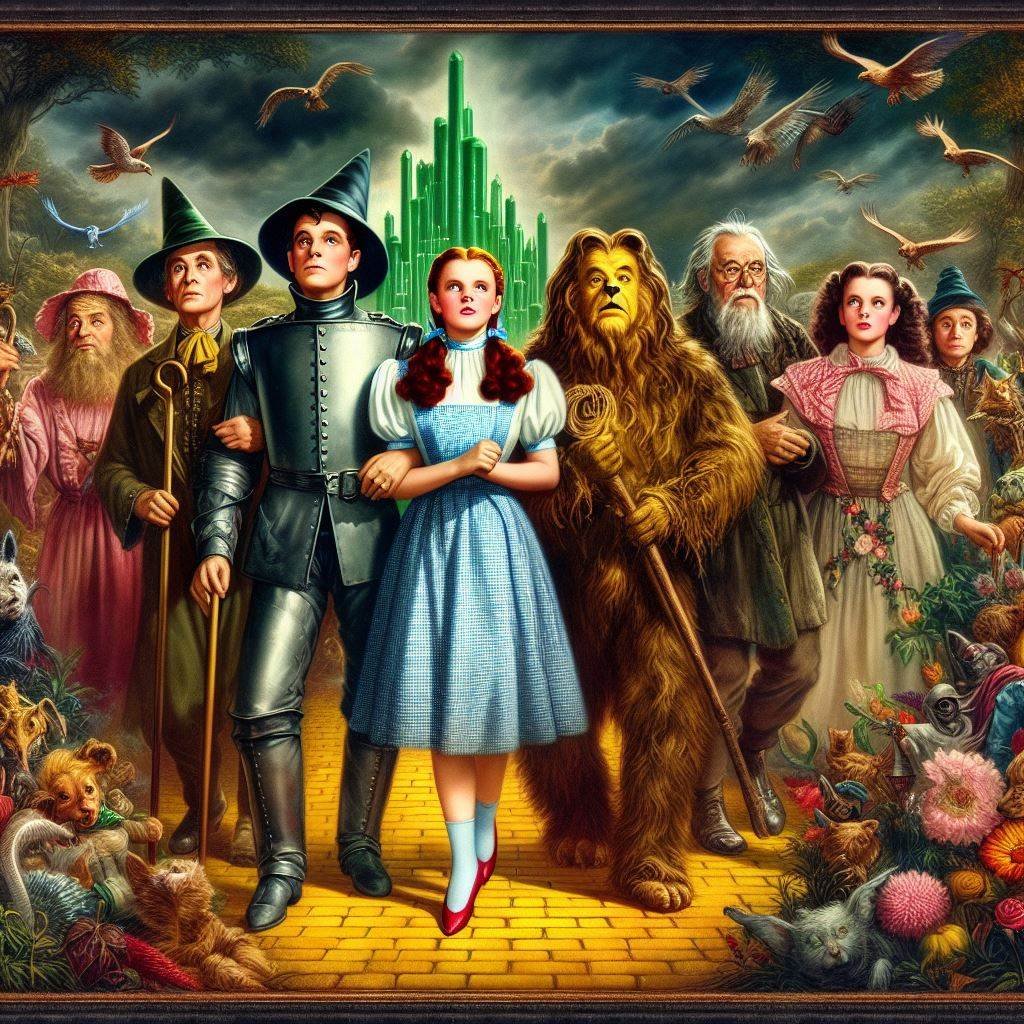
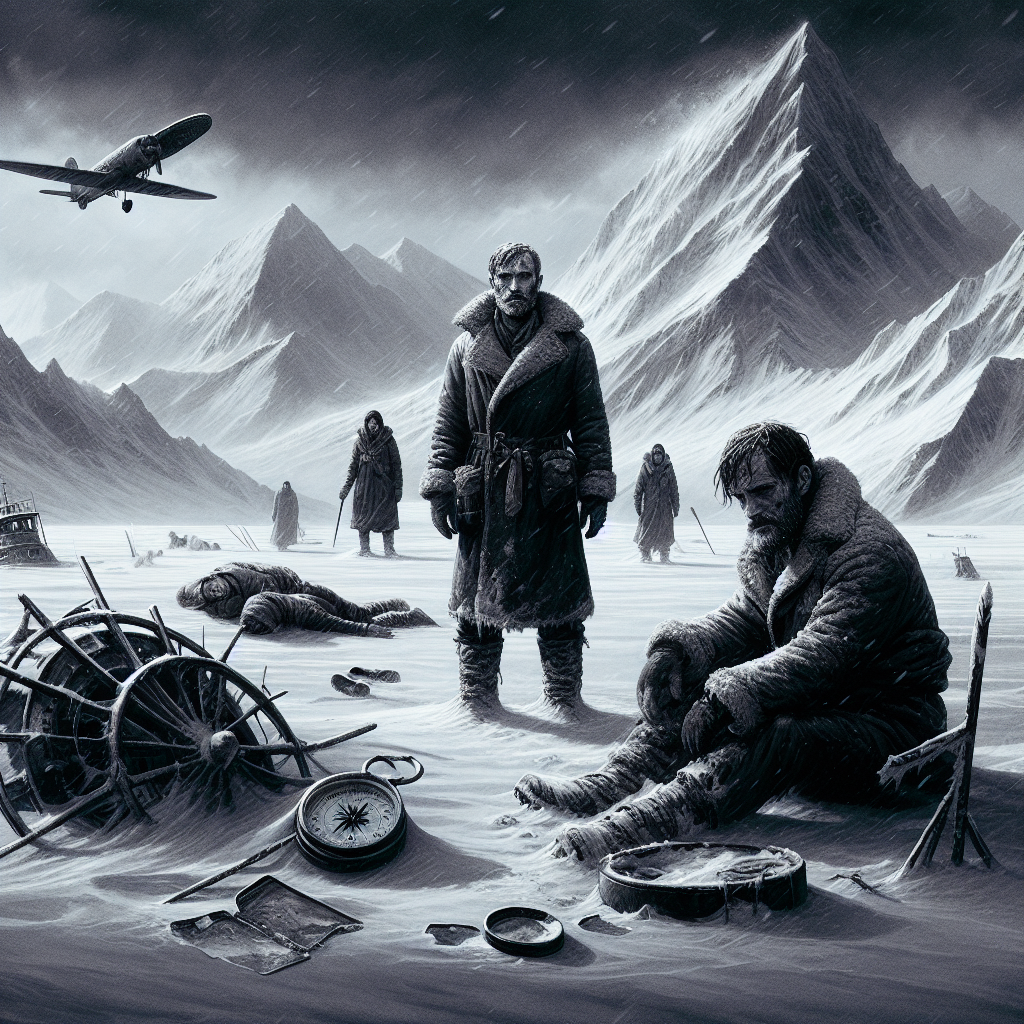
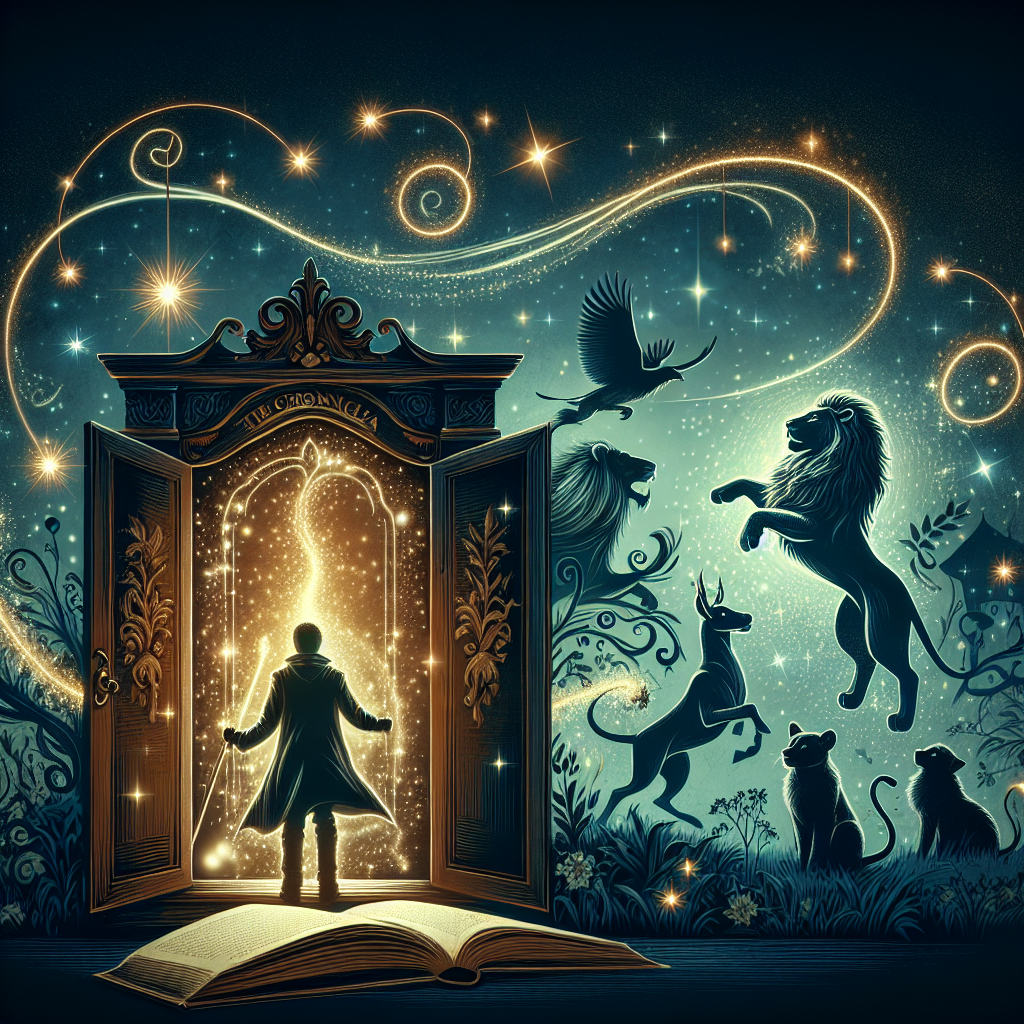
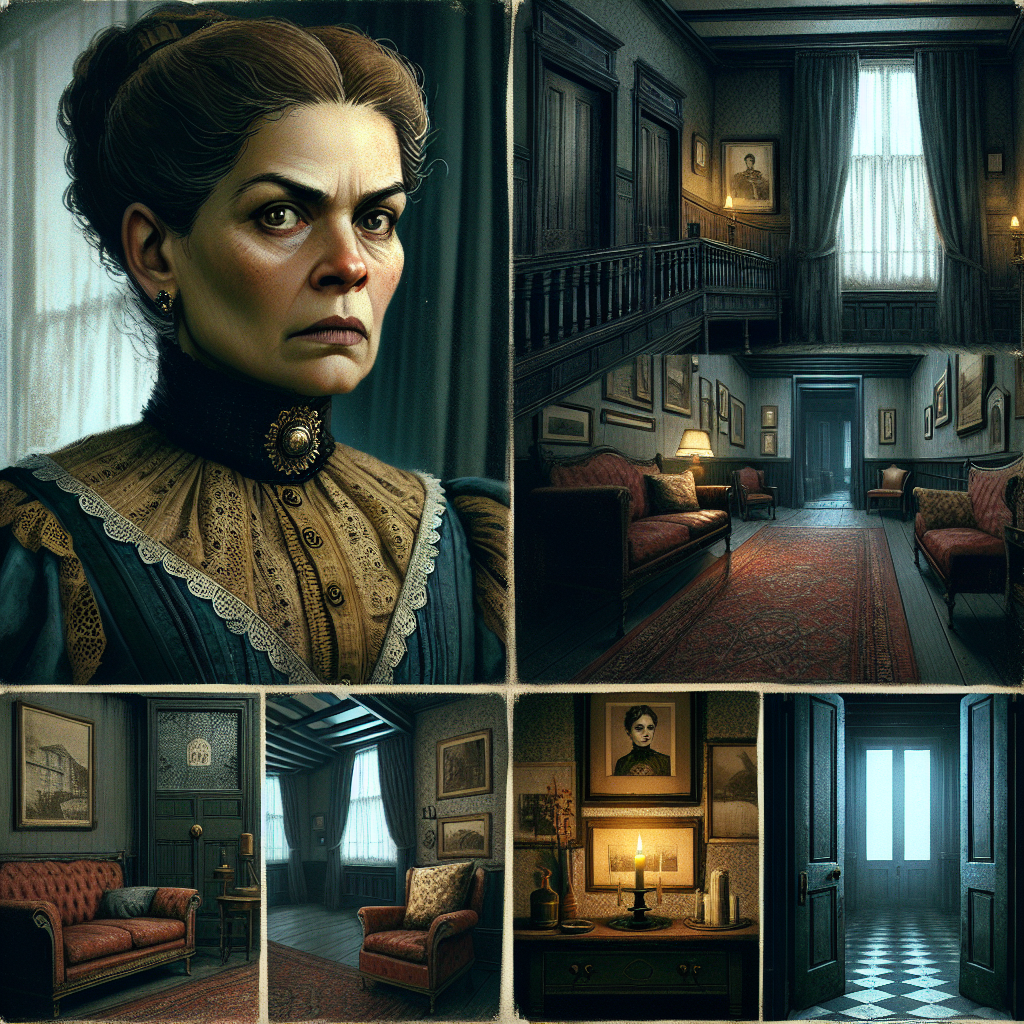
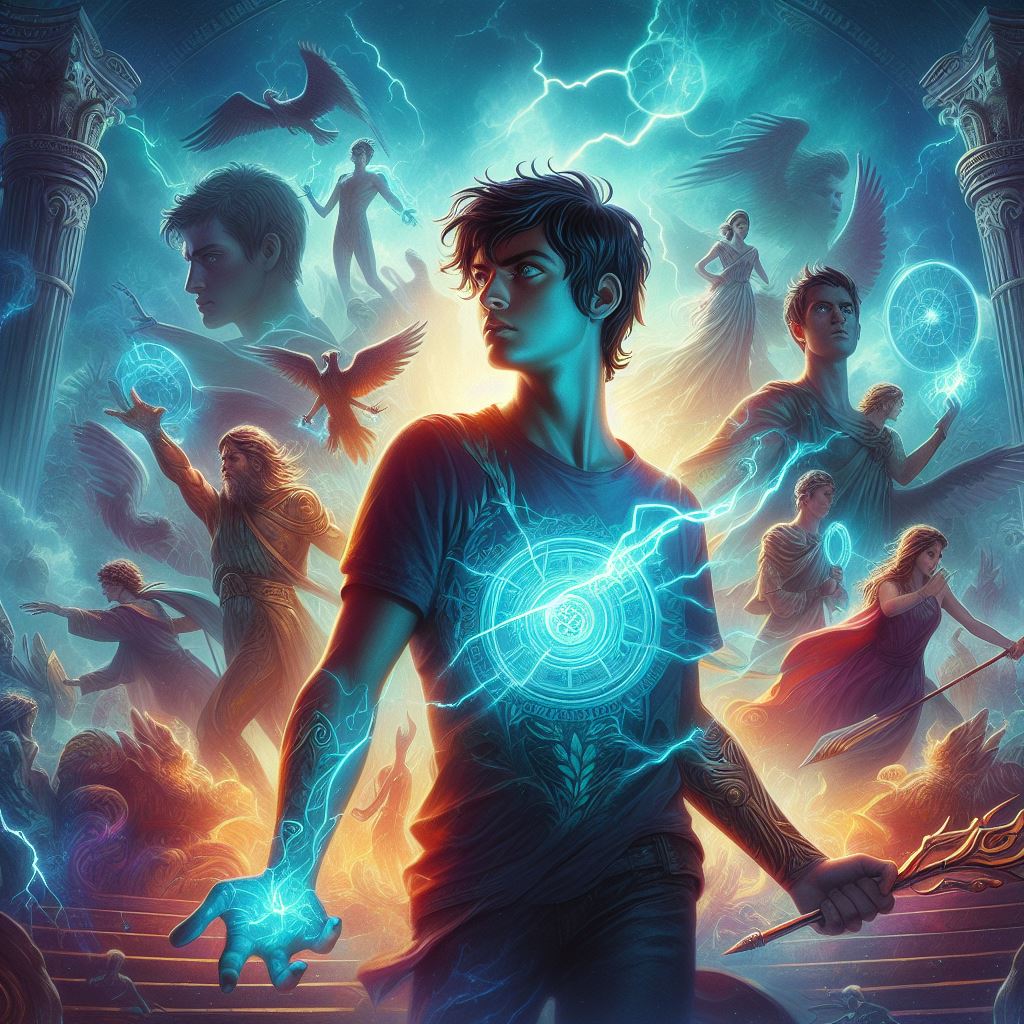
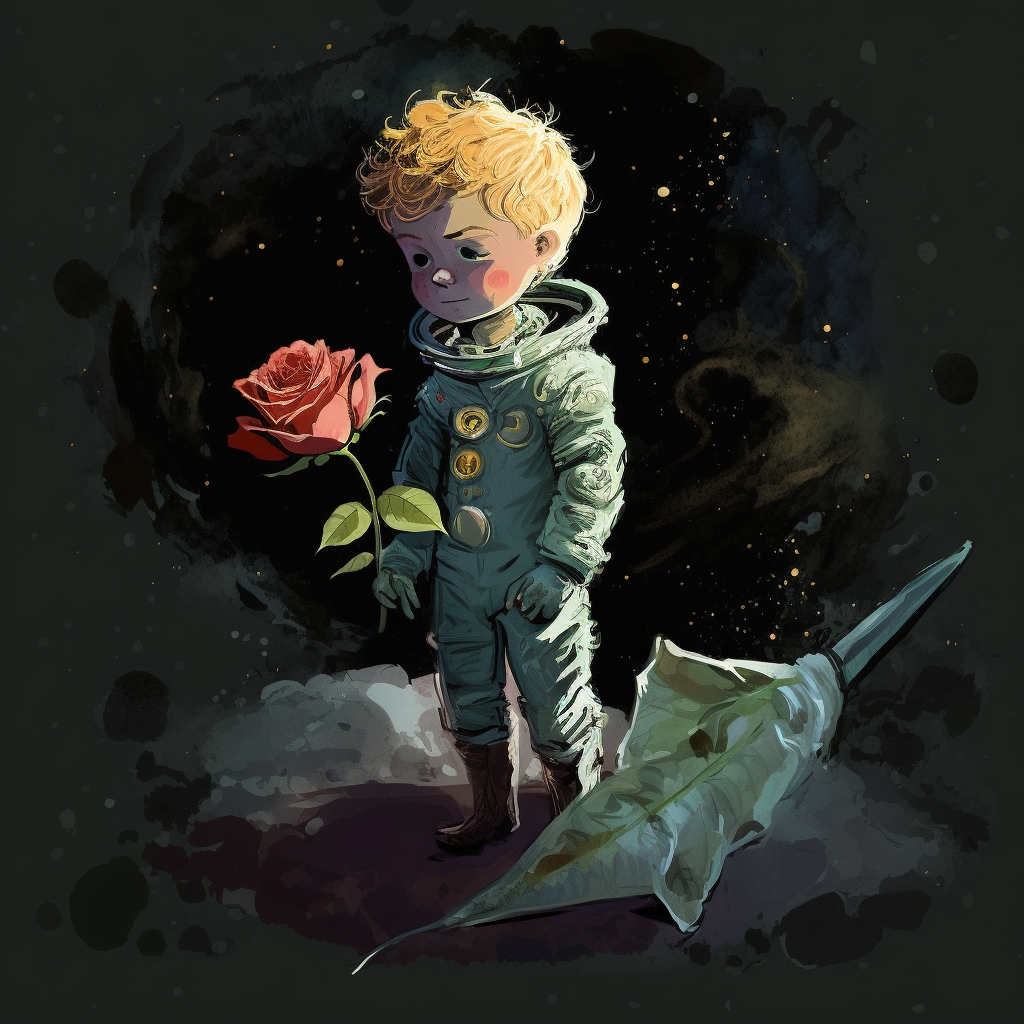
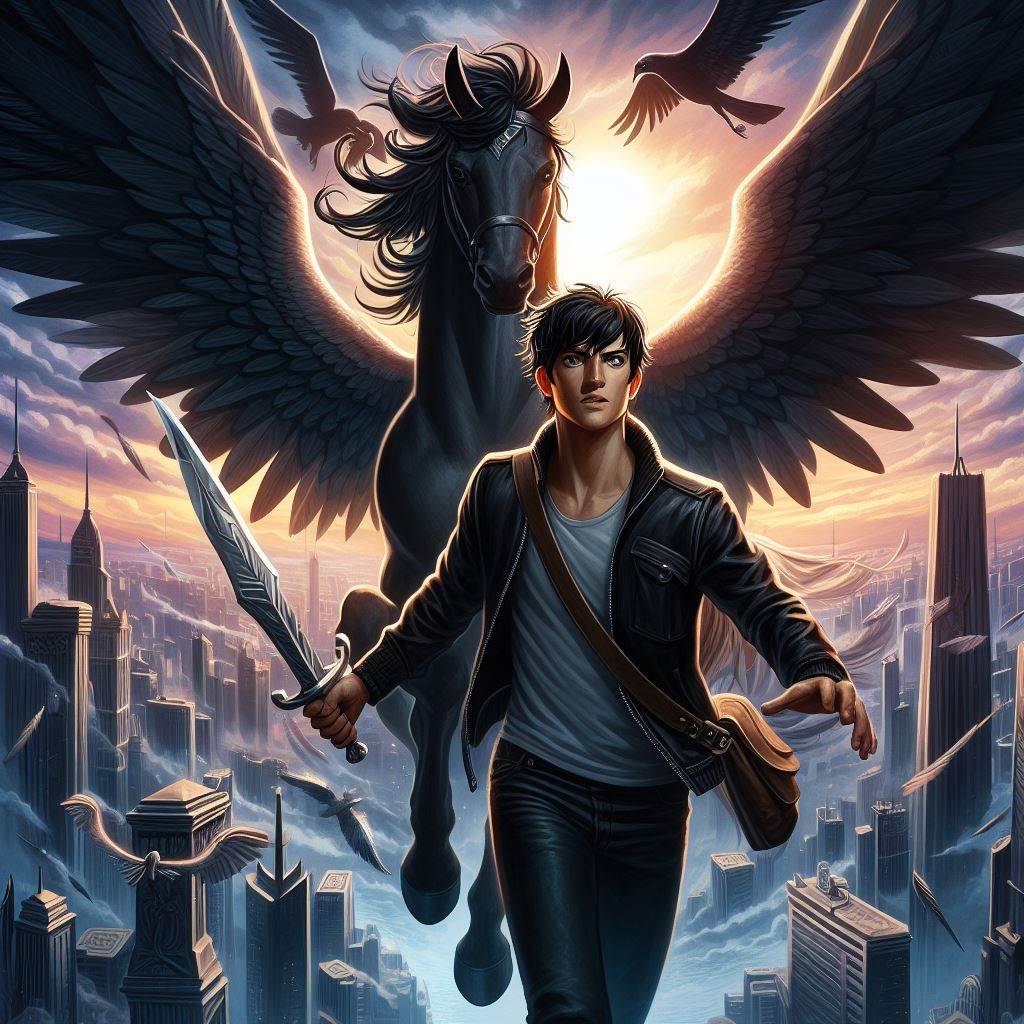
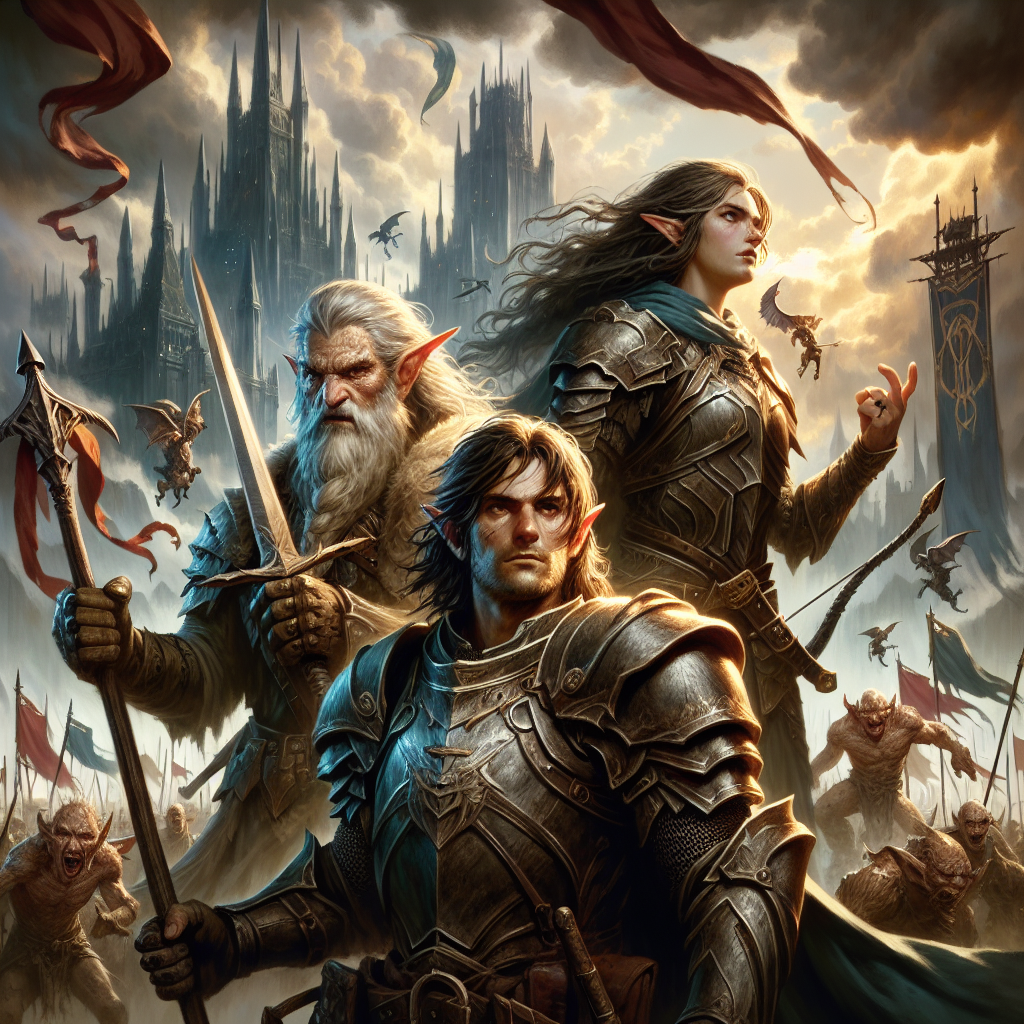
Ilustracao dos personagens de As Crônicas de Nárnia

"Oi, sou a Minerva! , uma leitora ávida e escritora dedicada. Com 25 anos, meu amor por livros me inspirou a criar este blog, onde compartilho resumos e resenhas sobre minhas leituras favoritas. Aqui você encontrará recomendações de livros, reflexões sobre temas importantes e minhas impressões sobre os personagens e enredos que mais me emocionaram. Se você é um amante de livros em busca de novas histórias para se envolver, junte-se a mim nesta jornada literária."
Fique por dentro dos principais insights dos livros mais populares. Inscreva-se na nossa newsletter com seu nome e email e enriqueça seu conhecimento!



Confira os resumos mais acessados!