


“Peter Pan” is a classic children’s literature work written by J.M. Barrie and first published in 1911. The story revolves around a boy who refuses to grow up and his magical adventures in Neverland.
The plot begins in the Darling family home in London, where Peter Pan, the leader of the Lost Boys, enters Wendy, John, and Michael Darling’s bedroom window in search of his lost shadow. After a peculiar encounter, he convinces them to fly with him to Neverland, a magical place where children never grow old.
In Neverland, they meet a variety of intriguing characters, including the fairy Tinker Bell, the villainous Captain Hook and his pirate crew, and the lost boys. Together, they embark on thrilling adventures, such as fighting the pirates and journeying to the Fairy Lagoon.
The story unfolds with confrontations between Peter Pan and Captain Hook, the archetype of the adult who represents the real world and the passage of time. Peter, with his eternal youth and carefree nature, personifies the innocence and freedom of childhood.
One of the central themes of the book is the struggle between childhood and maturity. Peter represents the resistance to the idea of growing up, while Wendy and her brothers face the dilemma of staying in Neverland or returning to the real world.
In the climax of the story, Wendy decides it’s time to go home, and she and her brothers bid farewell to Peter Pan and Neverland. As they return to London, Peter continues his adventures, forever young and free.
Ultimately, “Peter Pan” is a timeless work that captivates readers of all ages, exploring themes such as the magic of childhood, the importance of love and friendship, and the inevitability of growing up.
In summary, J.M. Barrie’s “Peter Pan” is a enchanting story that resonates with generations of readers, providing an unforgettable journey through imagination and adventure in Neverland.
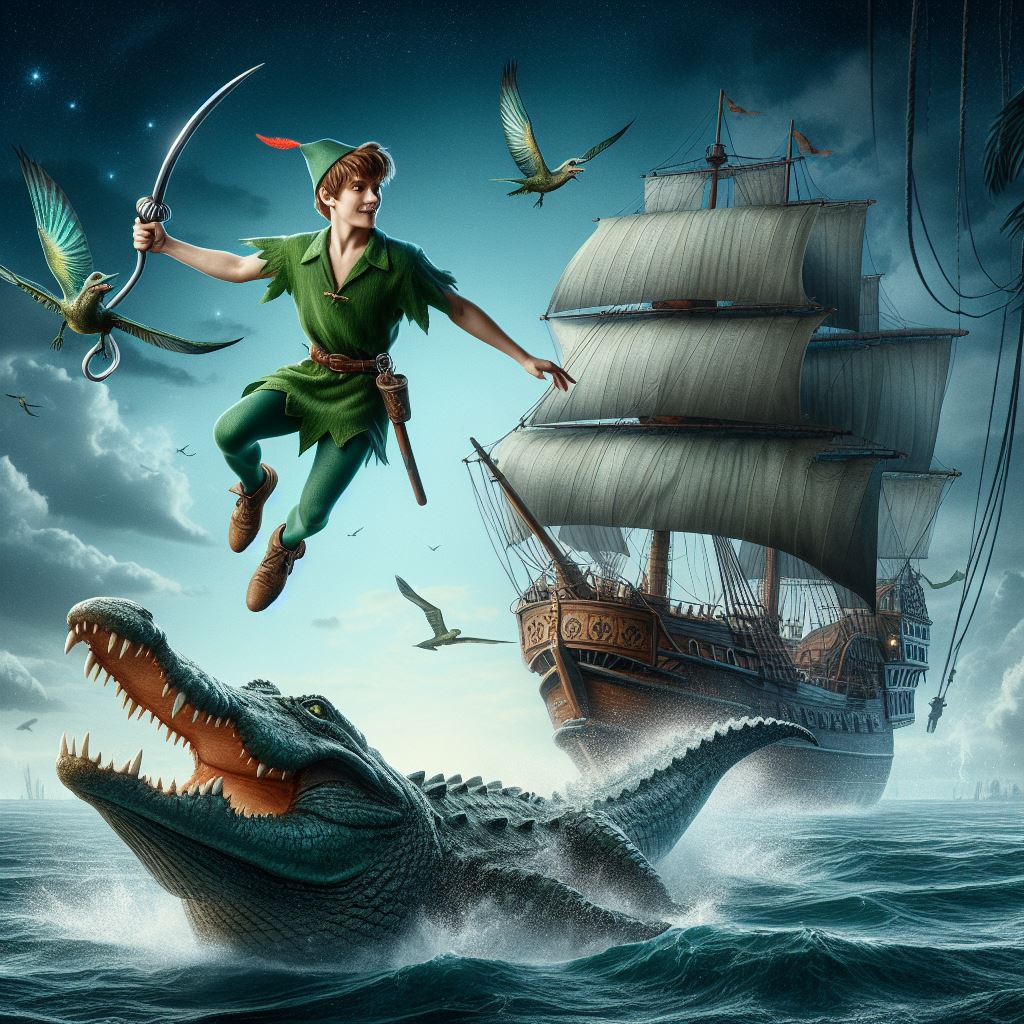
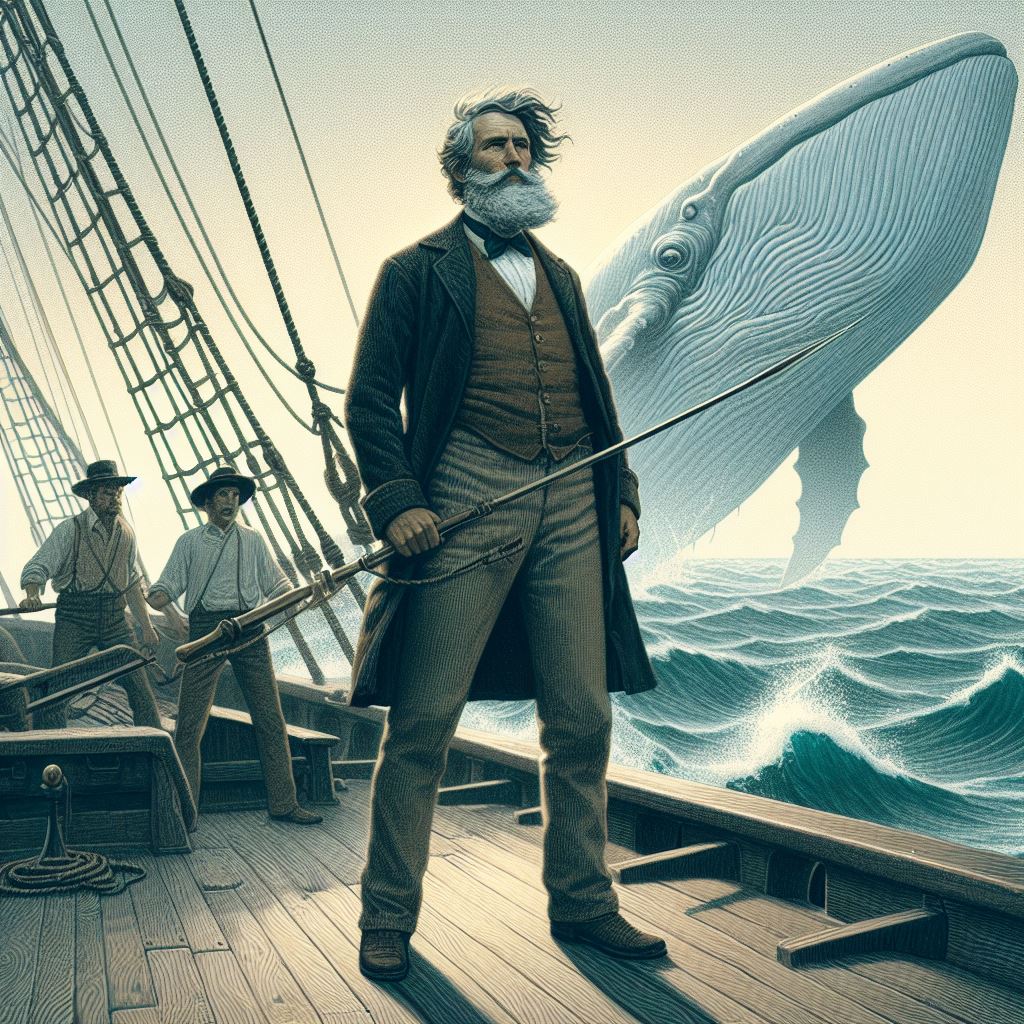
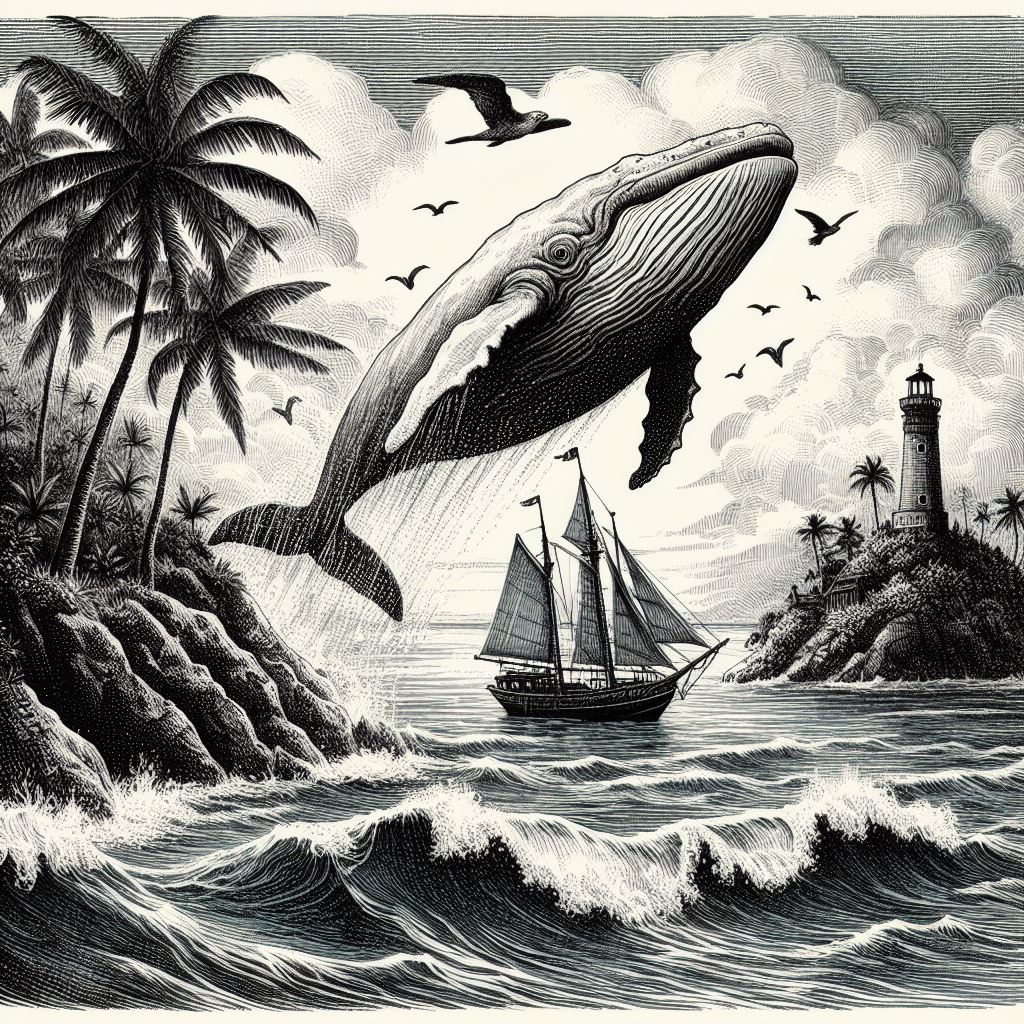
An illustration of Peter Pan and Captain Hook’s ship.
Each character in “Peter Pan” plays a crucial role in the narrative, contributing to the central themes of the book, such as the magic of childhood, the struggle between youth and maturity, and the importance of love and friendship.
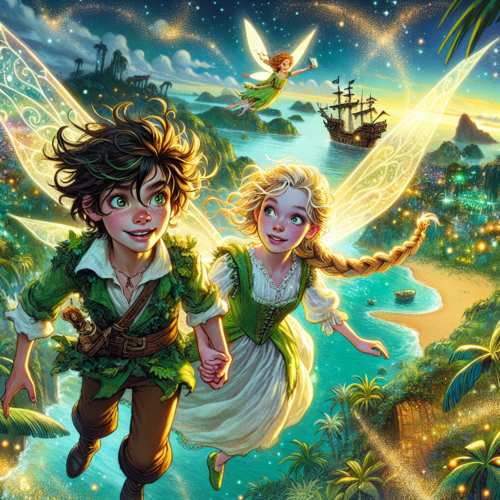
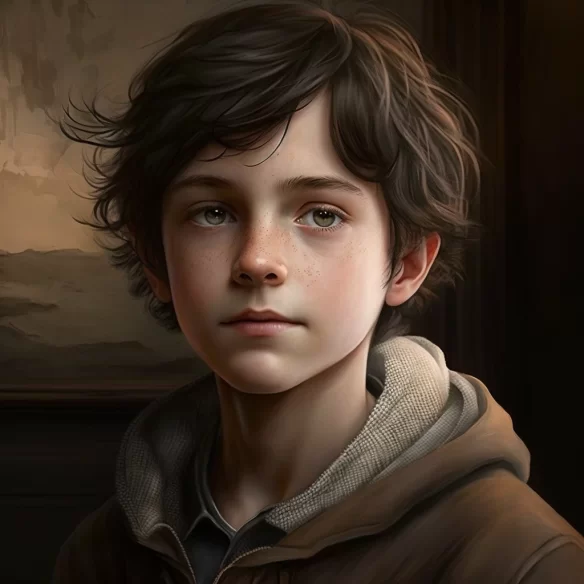
Illustration of Peter Pan
1. Introduction to Neverland: The story begins in the Darling family home in London, where Peter Pan, a boy who refuses to grow up, enters through the window in search of his lost shadow. He convinces Wendy, John, and Michael Darling to fly with him to Neverland, a magical island where children never grow old. This enchanted setting is the stage for a series of extraordinary adventures.
2. Meeting the Characters: In Neverland, the Darling siblings encounter a fascinating cast of characters, including the fairy Tinker Bell, the Lost Boys led by Peter Pan, and the pirates commanded by the fearsome Captain Hook. Each character represents a facet of childhood, innocence, and imagination, while also facing challenges and threats.
3. Confrontations and Adventures: Throughout the story, Peter Pan and his friends become involved in a series of thrilling confrontations, especially with Captain Hook and his pirate crew. These confrontations not only showcase Peter’s bravery and skills, but also the dangers and dilemmas they face in Neverland, including the struggle for survival and the pursuit of freedom.
4. Central Themes and Lessons: “Peter Pan” addresses profound themes, such as the magic of childhood, the importance of staying true to oneself, and the struggle between the innocence of youth and the responsibilities of adulthood. The narrative offers lessons about courage, friendship, and the power of imagination as the characters face challenges and discover their own personal growth.
5. Conclusion and Farewell: In the climax of the story, Wendy and her brothers decide to return home, leaving Peter Pan and Neverland behind. It is a poignant moment of farewell, where the reality of the passage of time and the inevitable growth become evident. However, the magic and memories of the adventures in Neverland remain alive, leaving an indelible mark on the characters and the readers.
In summary, “Peter Pan” is a timeless masterpiece that captivates readers of all ages with its blend of adventure, imagination, and emotional depth, offering a enchanting glimpse into the eternal struggle between childhood and maturity.
“Peter Pan” by J.M. Barrie is more than just an adventure story; it is a deep dive into the nature of childhood, imagination, and nostalgia. Throughout the narrative, we are transported to Neverland, a place where dreams become reality and eternal youth is a tangible possibility. However, behind the façade of magic and adventure, the book reminds us of the inevitability of growth and the responsibilities that come with maturity.
The journey of Peter Pan and his friends leads us to reflect on the importance of keeping our inner child alive, even as we face the challenges of adult life. As we bid farewell to Peter Pan and Neverland, we are reminded of the need to embrace the present, cherish the memories of the past, and look to the future with hope and courage.
Ultimately, “Peter Pan” continues to captivate and inspire generations of readers, teaching us valuable lessons about love, friendship, and the beauty of imagination. It is a masterpiece that endures through time, touching the hearts of children and adults alike and reminding us of the magic that resides within us, always ready to take flight to Neverland.
“Peter Pan” is essential reading for all ages, especially for those seeking a enchanting escape into a world of imagination and adventure. This book is highly recommended for children, as it offers a unique perspective on childhood and the importance of keeping the youthful spirit alive. Additionally, adults will find great value in reading “Peter Pan”, as it reminds us of the importance of never losing our capacity to dream, to marvel at the world around us, and to embrace the inner child that lives within. Those who appreciate classic tales, timeless narratives, and stories that deeply touch the heart will undoubtedly be enchanted by the magic and poetry of “Peter Pan”. This book is an unforgettable journey that resonates with anyone who has ever dreamed of flying to Neverland.
“Peter Pan” was first published in 1911 by the renowned Scottish writer J.M. Barrie. This masterpiece of children’s literature has captivated readers since its initial publication, enchanting both children and adults with its engaging narrative and memorable characters. Since then, it has become a classic, being translated into numerous languages and adapted into various media forms, including stage plays, films, and television programs. The story of Peter Pan continues to enchant generations, remaining one of the most beloved and timeless works of world literature.
These trivia facts not only add depth to the story of “Peter Pan,” but also demonstrate its lasting impact on popular culture and the collective imagination.

"Oi, sou a Minerva! , uma leitora ávida e escritora dedicada. Com 25 anos, meu amor por livros me inspirou a criar este blog, onde compartilho resumos e resenhas sobre minhas leituras favoritas. Aqui você encontrará recomendações de livros, reflexões sobre temas importantes e minhas impressões sobre os personagens e enredos que mais me emocionaram. Se você é um amante de livros em busca de novas histórias para se envolver, junte-se a mim nesta jornada literária."
Fique por dentro dos principais insights dos livros mais populares. Inscreva-se na nossa newsletter com seu nome e email e enriqueça seu conhecimento!



Confira os resumos mais acessados!